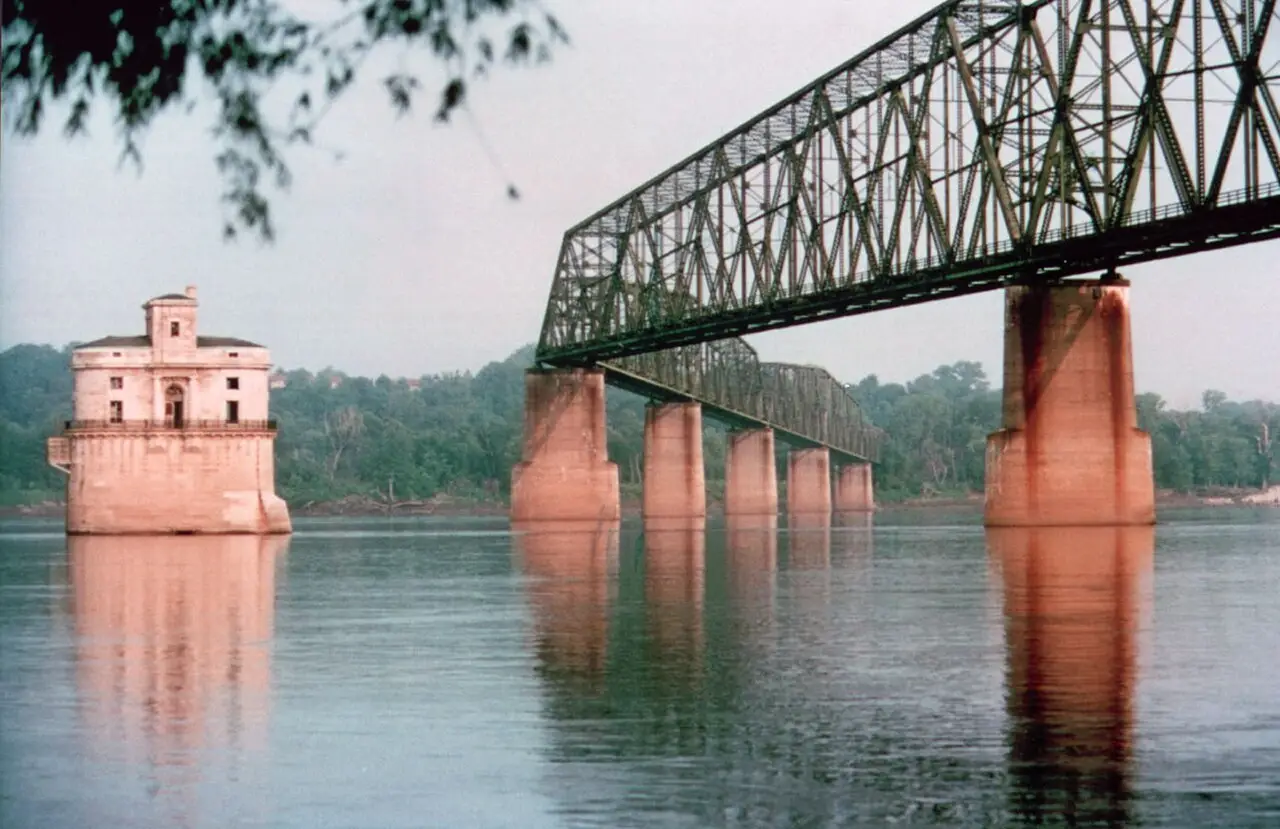
Route 66 crossed the Mississippi into Missouri here, at different times over the McKinley, MacArthur, Chain of Rocks, Martin Luther King and Poplar Street bridges.
320 mi from Chicago
5 stories to hear
Free in the app through 2027
Allow one cookie to recognise return visits? No cross-site tracking. Privacy
About St. Louis
St. Louis was founded in 1764 by French fur traders and named for King Louis IX of France. In the 19th century it grew into a major port on the Mississippi, and in 1904 it hosted the World’s Fair.
Missouri’s Route 66 began downtown at the river. The first route left the state over the McKinley Bridge; later alignments used the MacArthur, Martin Luther King and Poplar Street bridges, and Bypass 66 crossed on the Chain of Rocks Bridge. Heading west, the highway was moved onto Chippewa Street and Watson Road, where Ted Drewes opened a custard stand in 1941.
On the road, Lorecast plays these on its own as you drive past each place. Here you can listen first. Each story lists its sources.
HISTORY · TOLD BY MILES · 59 SEC
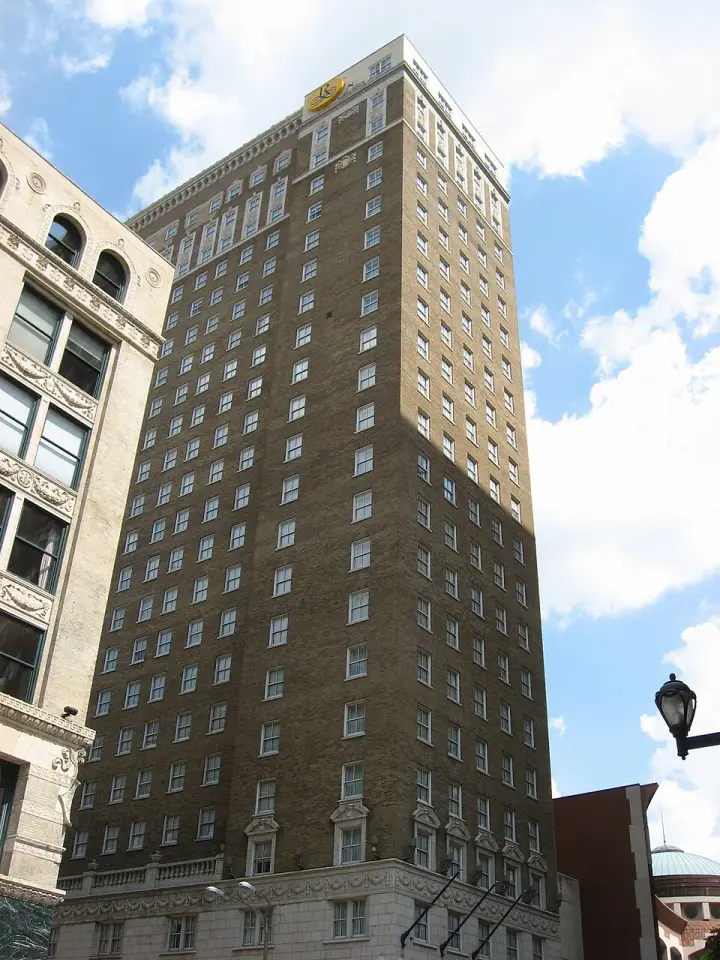
The Lennox Hotel, open again 86 years to the day
The Lennox Hotel opened on September 2, 1929 — the tallest hotel in St. Louis at 25 stories. Designed by Bradshaw in the Renaissance Revival style, it was built with terra cotta facades and cornices, part of a downtown commercial boom. But here's the twist: it was the last hotel built in the area before the Great Depression. Another hotel wouldn't open downtown for decades. The Lennox closed in the 1970s, outshone by newer hotels. It got a second life in 2002 as a Renaissance, then fell into foreclosure in 2009. In 2013, Maritz, Wolff & Co. bought it and poured $15 million into a complete renovation. It reopened on September 2, 2015 — exactly 86 years to the day after its first opening — as a Courtyard by Marriott.
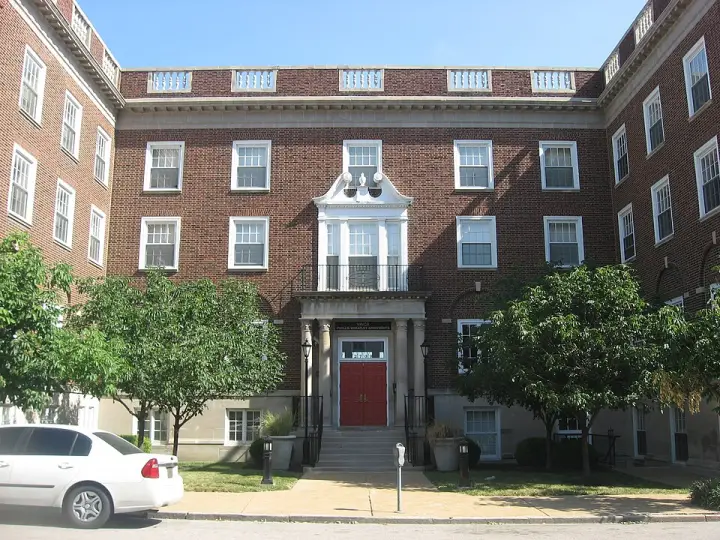
In 1911, a YWCA branch opened in St. Louis that was only the fifth in the country for African-American women. It was named for Phillis Wheatley, the first African-American poet. The building you see dates from 1927, built for the Women's Christian Home, which had been organized in 1868. In 1941, the YWCA bought it. This place became a hub of intellectual life in the Mill Creek Valley neighborhood. The Fisk Jubilee Singers performed here in 1916. Maya Angelou, Mary McLeod Bethune, and Butterfly McQueen all visited or stayed in its hotel rooms. It was listed on the National Register of Historic Places in 1984.
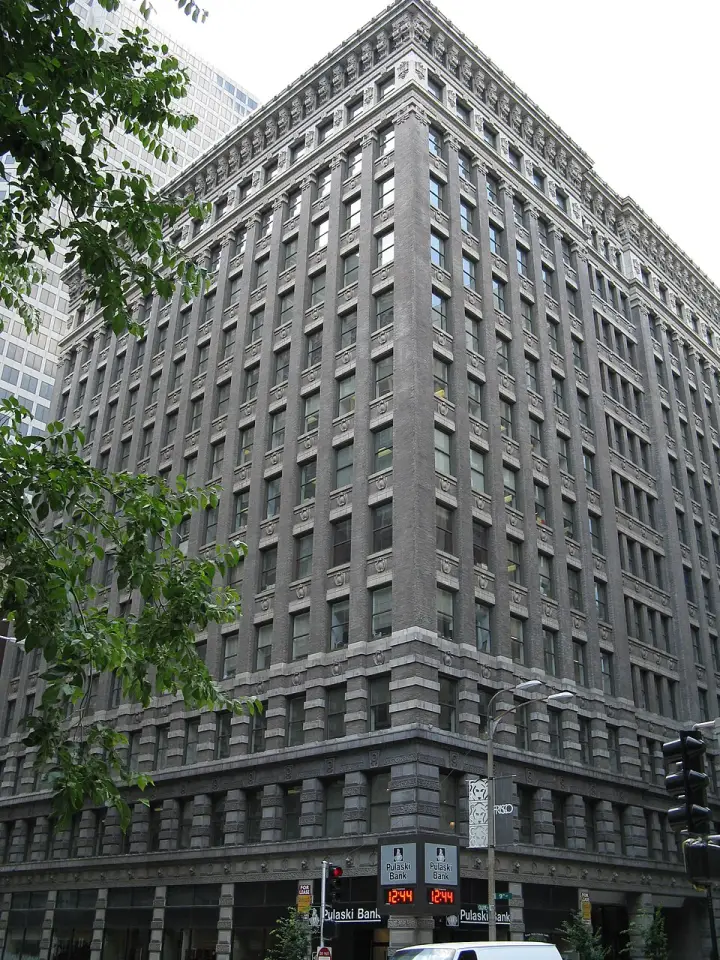
The Frisco Building was built for a railroad, but here's the odd part: its expansion kicked out a piano company that was a big deal in St. Louis — the Kieselhorst Piano Co., a leading vendor. They had to move one block east on Olive Street. So this skyscraper, designed by Eames and Young with subtle ornamentation and an innovative pier-and-spandrel system, literally pushed pianos aside. The Frisco Railway stayed for almost eighty years, but that little displacement is the quirky detail that sticks.
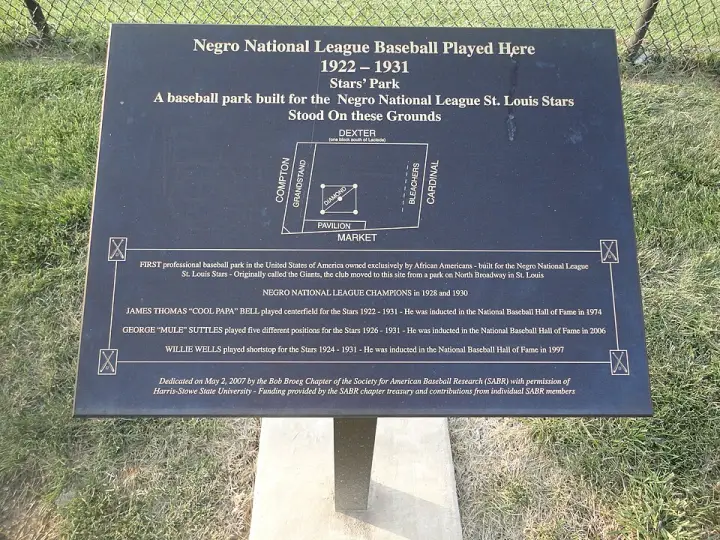
In 1922, a ballpark opened in St. Louis that was built for a specific purpose: to be the home of the St. Louis Stars of the Negro National League. It was one of the few stadiums purposely constructed for a Negro league team. The Stars played there from 1922 to 1931, and the park hosted several postseason championship series. For decades, no photograph of the park was known to exist—until 2016, when one was discovered in the collection of the Missouri Historical Society. Today, the site is occupied by a university baseball field, with a monument referencing the old park.
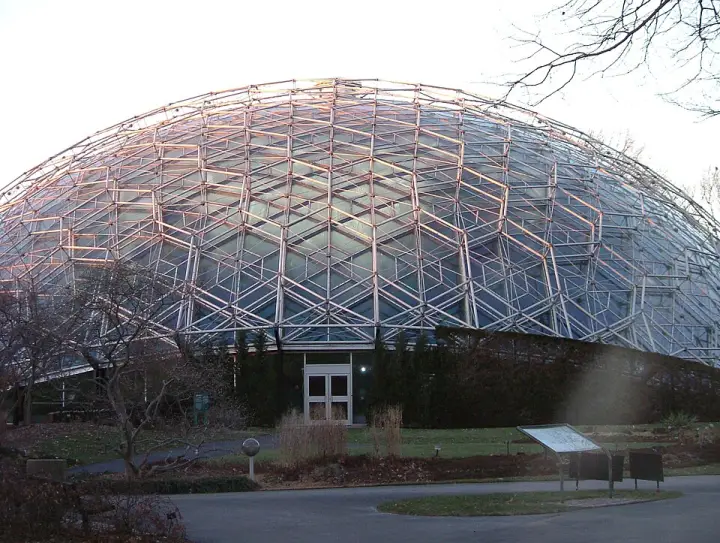
What if I told you the world's first fully air-conditioned greenhouse was built in 1960, and it looks like a giant bubble? That's the Climatron. No interior walls, no separate rooms — just one seamless dome that somehow grows a lowland rainforest inside. The architect, T. Howard, used a geodesic design covered in rigid Plexiglass panels. It's a greenhouse that doesn't need partitions to create different climates; the whole thing breathes as one.
Built in 1929 with a 22-degree bend midstream, it carried Bypass Route 66 over the Mississippi. Closed in 1970, it now carries only walking and biking trails.
This custard stand opened in 1941 on Chippewa Street, one of Route 66’s alignments through the city. Its signature “concrete” is so thick it is handed over upside down.
Gone. The streamline moderne Route 66 motel in Marlborough closed in 1993 and was demolished in 1995 for housing. The façade of one cabin is part of an exhibit at the National Museum of Transportation.
A 25-story hotel from 1929, the tallest in the city when it opened. After years of closings and foreclosure it reopened in 2015 as a Courtyard by Marriott.
A geodesic-dome greenhouse completed in 1960, the world’s first completely air-conditioned greenhouse. Inside is a lowland rain forest with no interior walls.
Gone. Home of the Negro National League’s St. Louis Stars from 1922 to 1931. The site is now Harris–Stowe State University’s baseball field, with a monument to the old park.
In Hartford, Illinois, it marks Camp River Dubois, where the Lewis and Clark Expedition camped from December 1803 to May 1804. There is an outdoor replica of the camp and a full-scale cutaway keelboat.
On the site of Times Beach, a Meramec River town emptied and demolished after dioxin contamination was found in the 1980s. The visitor center in the old Bridgehead Inn shows Route 66 memorabilia, including the first historic Route 66 marker.
Let St. Louis tell its own stories as you drive in.
Lorecast plays short stories about the places around you, hands-free. Download Route 66 before you leave and it works offline. Route 66 is free through December 31, 2027.
How these stories are made
Lorecast stories are written with AI using only the sources listed under each story, and they are narrated with synthetic voices. An automatic check traces every name and date back to those sources, and legends are told as legends. Every story on this page was also checked against its sources before we published it here. If you spot a mistake, write to hello@lorecast.net.